1Business Interruption (Systemic, Multi-Cause)
2Natural Catastrophes & Physical Climate Risk
3Cyber Risk (Including AI-Amplified Attacks)
4Macroeconomic & Capital Market Stress
5Geopolitical Fragmentation & Sanctions Risk
6Regulatory & Legal Risk (Climate, AI, Data, ESG)
7Insurance Market Failure / Protection Gaps
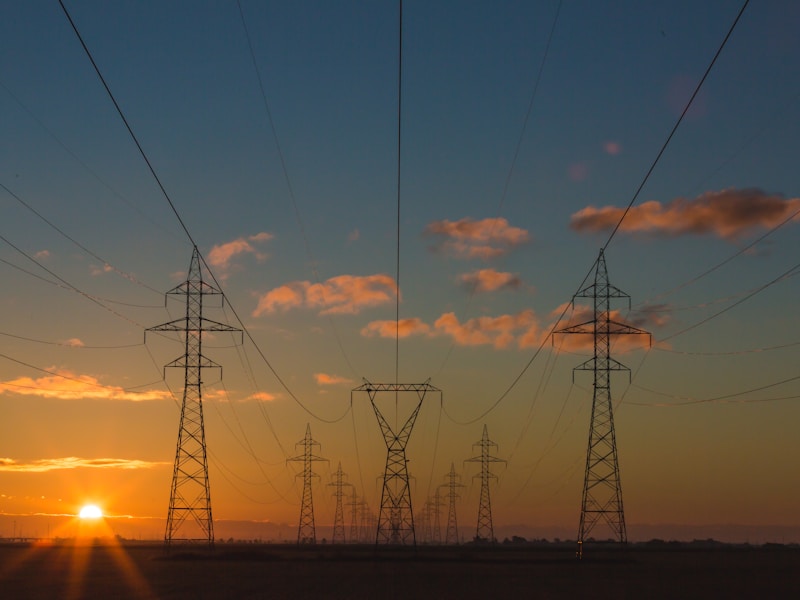
8Energy & Infrastructure Stress
9Technology Transition Risk (AI, Automation)
10Talent & Organizational Fragility
1
Business Interruption (Systemic, Multi-Cause)
Why #1
- This is the real loss driver, not the hazard itself
- Caused by cyber, nat-cat, geopolitics, suppliers, energy, regulation
- Often underinsured or uninsured
- Cascades across supply chains
Business interruption is the financial expression of almost every other risk.
Severity: Extreme
Trend: ↑ Accelerating

⸻
2
Natural Catastrophes & Physical Climate Risk
Why #2
- $100–150B+ annual losses (and rising)
- Increasing frequency + correlation (flood + heat + fire)
- Infrastructure and asset-level exposure is poorly priced
- Insurance retreat is creating protection gaps
This is no longer "tail risk" — it's operational reality.
Severity: Extreme
Trend: → Structurally worsening

⸻
3
Cyber Risk (Including AI-Amplified Attacks)
Why #3
- Frequency remains unmatched
- AI is lowering the cost of sophisticated attacks
- Systemic events (cloud providers, MSPs) are plausible
- Often triggers business interruption + liability + regulatory action
Cyber is still underestimated because catastrophic cyber hasn't fully materialized yet — but the setup is there.
Severity: Very High
Trend: ↑ Accelerating

⸻
4
Macroeconomic & Capital Market Stress
Why #4
- Higher-for-longer rates
- Refinancing cliffs (especially CRE, infrastructure, PE-backed firms)
- Liquidity shocks spread faster than expected
- Valuation corrections hit balance sheets and covenants
This is less dramatic, but deeply destructive.
Severity: Very High
Trend: → Persistent

⸻
5
Geopolitical Fragmentation & Sanctions Risk
Why #5
- Trade fragmentation
- Sanctions volatility
- Supply chain rerouting
- Regional conflicts with global spillovers
Not just wars — policy unpredictability is the risk.
Severity: High
Trend: ↑ Worsening

⸻
6
Regulatory & Legal Risk (Climate, AI, Data, ESG)
Why #6
- Climate disclosure mandates
- AI liability regimes
- Data sovereignty laws
- Litigation risk expanding faster than compliance capacity
This is a slow-burn but irreversible risk.
Severity: High
Trend: ↑ Escalating

⸻
7
Insurance Market Failure / Protection Gaps
Why #7
- Withdrawal from high-risk geographies
- Rising deductibles
- Capacity constraints
- More self-insurance without risk insight
This is a meta-risk: it amplifies losses from other hazards.
Severity: Medium–High
Trend: → Structural

⸻
8
Energy & Infrastructure Stress
Why #8
- Grid fragility
- Heat stress on infrastructure
- Energy price volatility
- Aging assets + climate load
Often invisible until it fails.
Severity: Medium–High
Trend: ↑ Increasing
⸻
9
Technology Transition Risk (AI, Automation)
Why #9
- Disruption of labor models
- IP risk
- Competitive displacement
- Model risk & explainability issues
Not existential for most firms yet, but unevenly distributed.
Severity: Medium
Trend: ↑ Accelerating

⸻
10
Talent & Organizational Fragility
Why #10
- Key-person risk
- Skill mismatches
- Leadership churn under stress
- Burnout in high-volatility environments
This rarely shows up in risk reports — but it kills execution.
Severity: Medium
Trend: → Persistent

Frequently Asked Questions
The Global Risk Index is Earthian AI's reality-adjusted ranking of the most severe business risks for 2025. Unlike traditional risk reports, our index is based on actual loss drivers and operational exposure, not just perceived threats.
Business interruption is the financial expression of almost every other risk — it's what companies actually claim on. Whether caused by cyber attacks, natural disasters, geopolitics, or supply chain failures, the loss is always business interruption. It's often underinsured and cascades across supply chains, making it the true #1 risk driver.
Natural catastrophes now cause $100-150B+ in annual losses and rising. The surprising insight is that it's no longer 'tail risk' — it's operational reality. Insurance retreat is creating protection gaps, and infrastructure exposure remains poorly priced despite increasing frequency of correlated events (flood + heat + fire).
Cyber is still underestimated because catastrophic systemic cyber events haven't fully materialized yet — but the setup is there. AI is lowering the cost of sophisticated attacks, and systemic events targeting cloud providers or MSPs are increasingly plausible. The frequency remains unmatched among all risks.
Insurance Market Failure creates a secondary crisis: when insurers withdraw from regions or perils, businesses lose access to protection entirely. This creates uninsurable exposure and forces risk retention, concentrating losses on balance sheets and potentially triggering credit events.
AI is reshaping workforce economics faster than organizations can adapt. The unique insight is that this isn't just about finding talent — it's about entire job categories being automated while new skills gaps emerge. This structural shift affects operational capacity and competitive positioning.
The top 10 risks are highly interconnected. For example, a cyber attack can trigger business interruption, which exposes liability risks, triggers regulatory action, and potentially causes reputational damage. Geopolitical events can cause supply chain disruption, energy volatility, and insurance market withdrawal simultaneously.
Traditional risk reports like Allianz Risk Barometer rank risks based on survey responses and perceived threats. Our index is adjusted for actual loss data, claims frequency, and real-world operational impacts. For example, we rank Business Interruption #1 because that's what companies actually claim, not what they worry about.